Art with Symmetry
Manuel Diaz Regueiro
Art with Symmetry at the Patterns of Beauty Exhibition in Lugo ( June 9-30 , 2026) and in Santiago, in the USC Paraninfo ( November 26 to January 31, 2027)
29 new extremely symmetrical
works in 3d
Ambo partial=Ambo faces of a
polyhedron.
372paTetrahedronSixCompound1 Ambo
partial exact. 6 octahedrons. 3 patterns with 6
reps. NATO
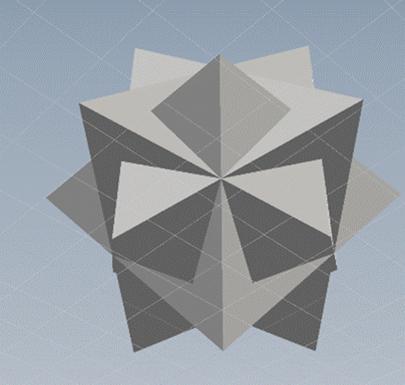
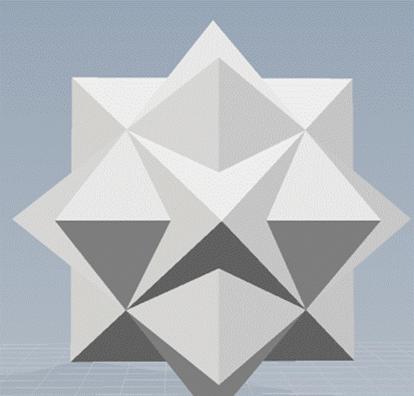
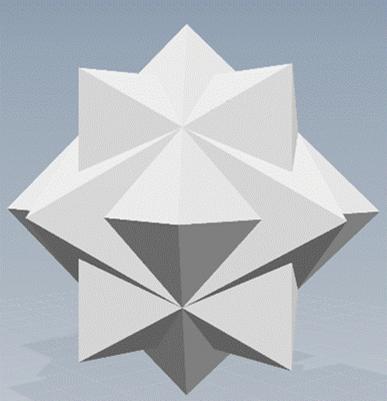
371paTetrahedronSeventyCompound1. Exact partial ambo.70
octahedra. Multiple decagon and enneagon patterns . Turnip basket
º
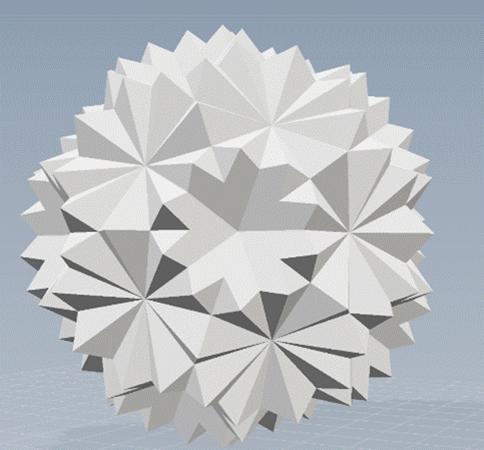
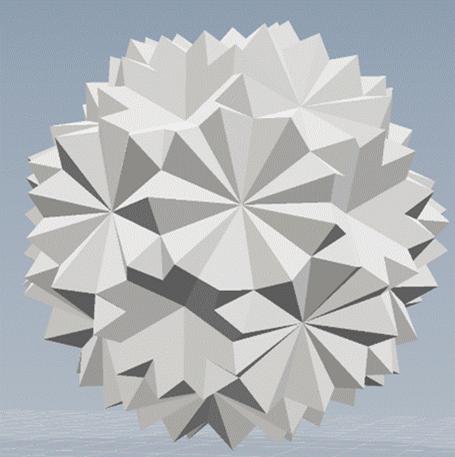
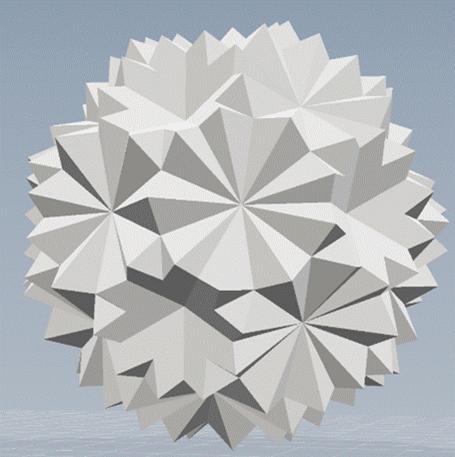
362 pa. TetrahedronFiftyCompound3 Ambo partial exact. 15 octahedra. 15 repetitions of a motif. Medial plane
symmetry. cake
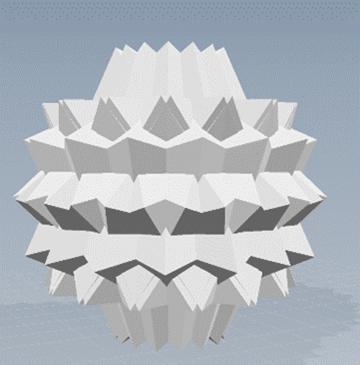
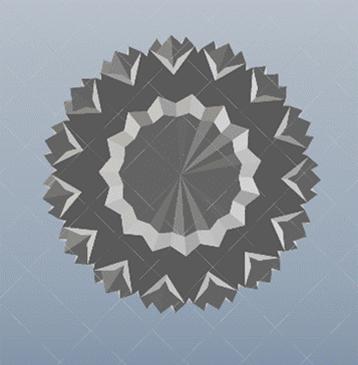
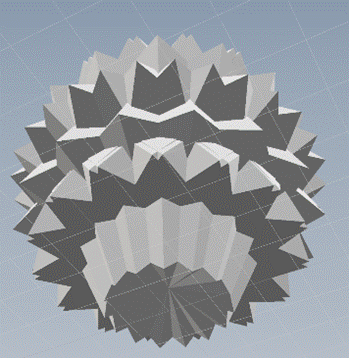
57pa Partial Ambo of CubeOctahedronFiveCompound1 Twelve pentagons with valleys and mountains surrounded by 5 twins . But every 3 also form a pattern.
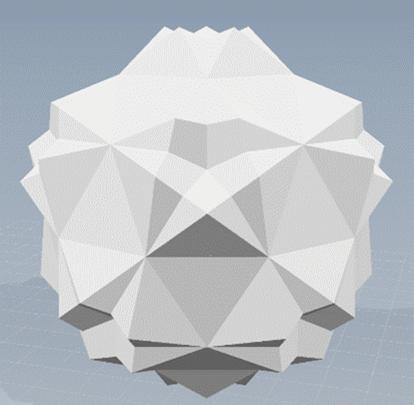
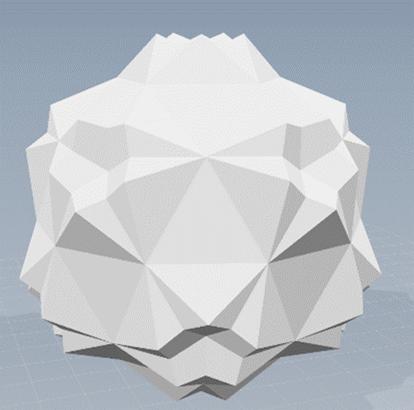
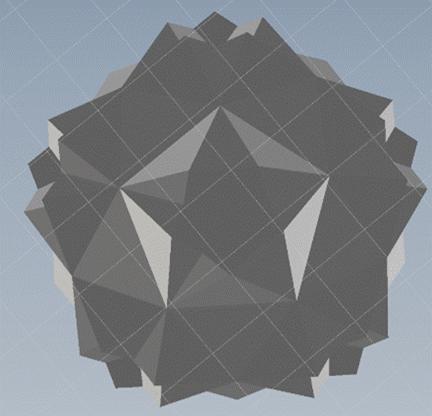
good 16.( Bird). Unknown large bird , or whose name is not known. The vertices
are repeated 8 times. The
faces 6 times
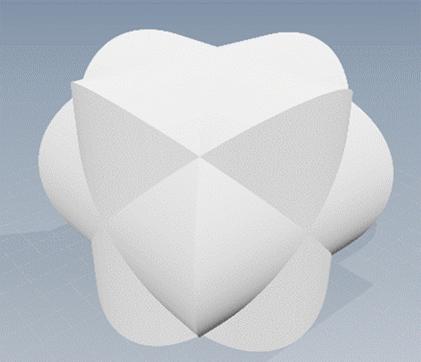
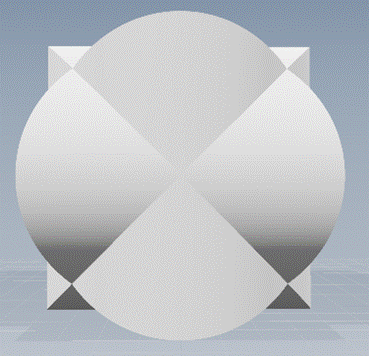
8 cats with 6
faces?
The vertices are repeated 8 times. The faces 6 times. Cubic symmetry.
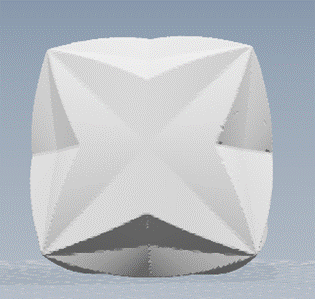

354-s60--80cy2. Chameleon 3
pairs of alternating Faces. 6 chameleon vertices. Tetrahedral symmetry.
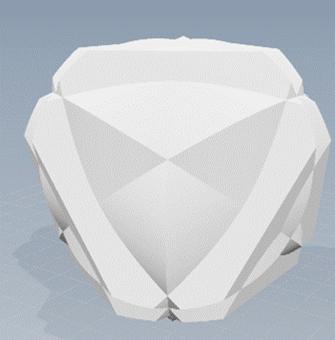
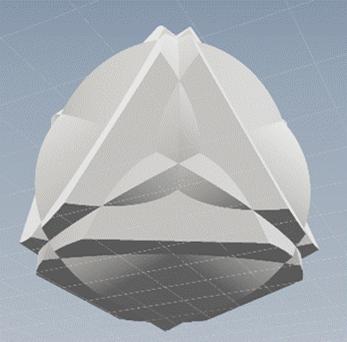
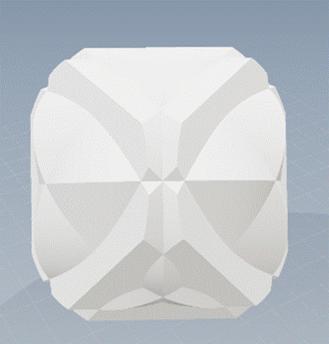
100-s20-20cy.stl Olympic rings or gentleman with a mustache. 12 patterns of faces of a dodecahedron in rings and 20 Asterix of vertices
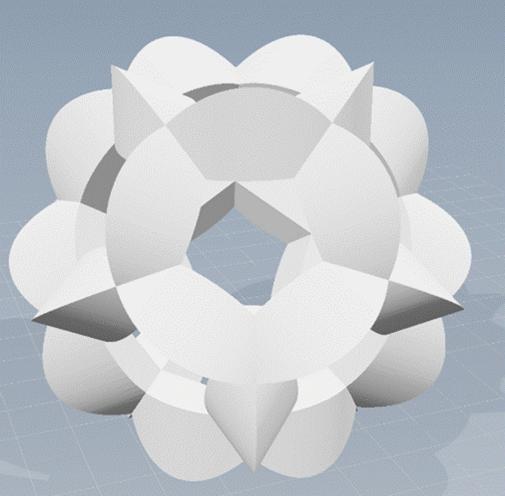
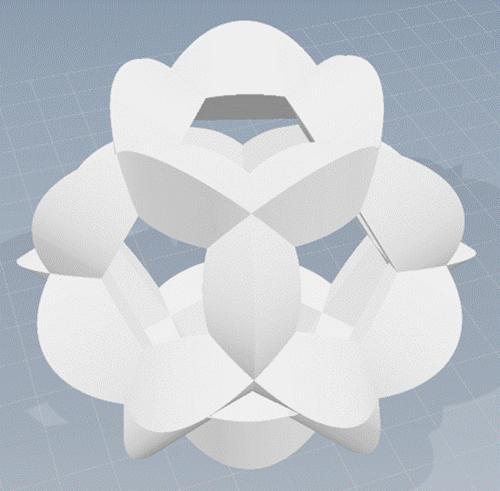
sphico3-025. Icosahedral symmetry . Butterflies or Discóbolos in Samothrace.
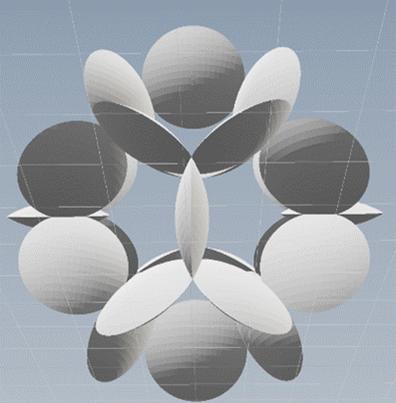
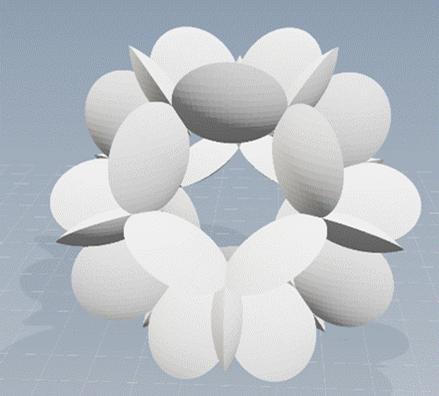
B398p Three patterns of 1, 3 and 3 repetitions
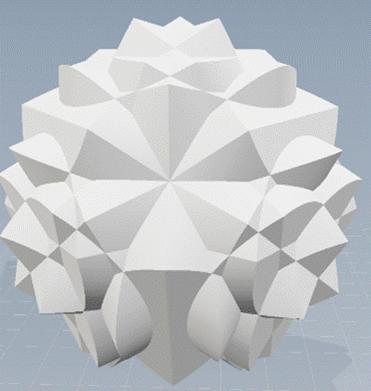
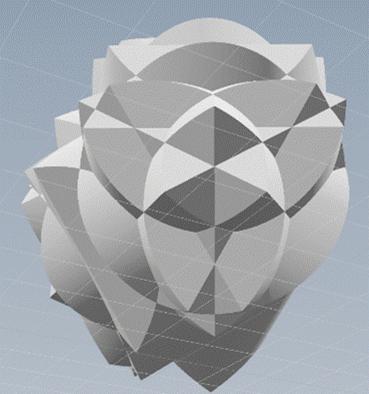
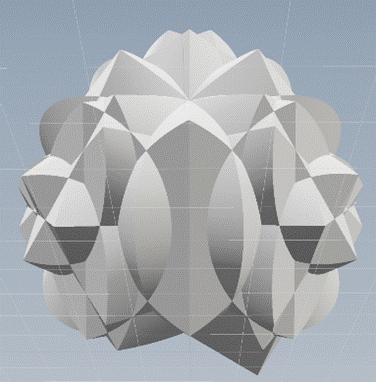
b344p Unexpected or broken symmetry
.6 Squares with swords and 8 trapezoids with daggers . Where is it broken?
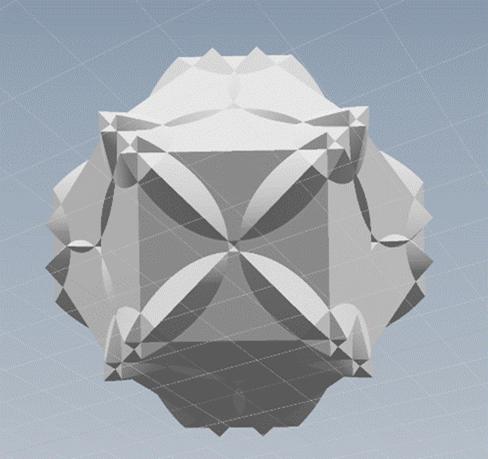
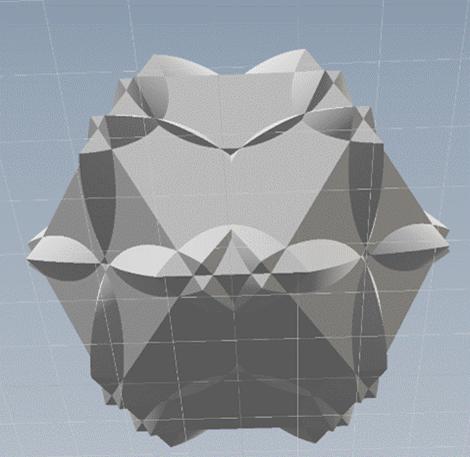
b200p. Icosahedral Symmetry . Each vertex and each
face with the same pattern. Hidden connections .
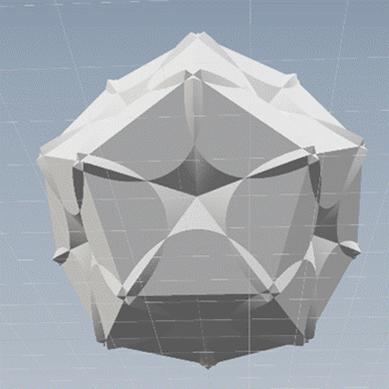
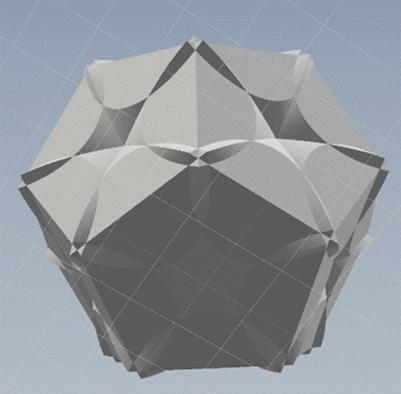
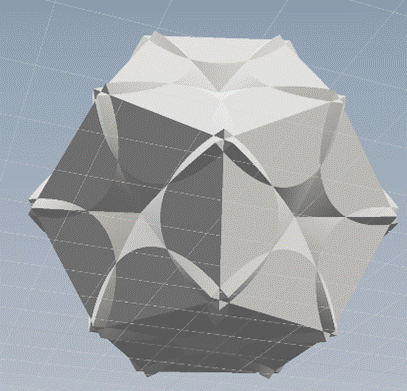
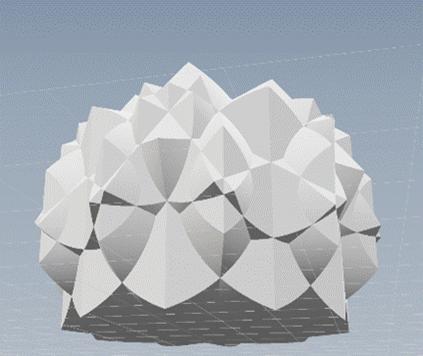
b271p. Pentagonal dome . A curious step from symmetry 10
at the base to symmetry 5 at the dome using a pair of patterns that are repeated 5
times on the side.
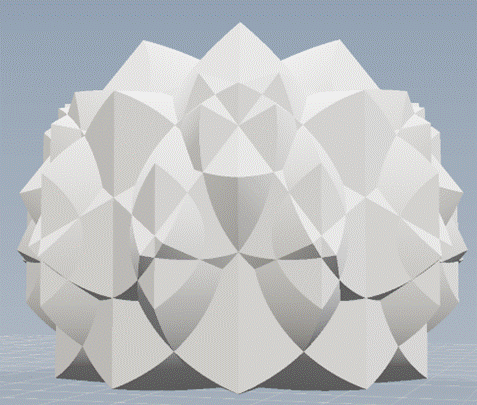
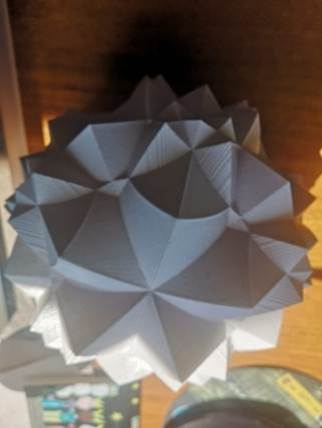
b21. 2 side
patterns that alternate and one above and below .
Medial plane symmetry . Four in the face


b261.
Incomplete order 6 symmetry . And
medial plane. belly


b301. Swords and daggers .6
Squares with 4 swords and 8 trapezoids with 3 daggers .


b82. 2
pattern motifs that are repeated alternately on the side and above and below . And, finally, the most repeated motif,
the Trefoil
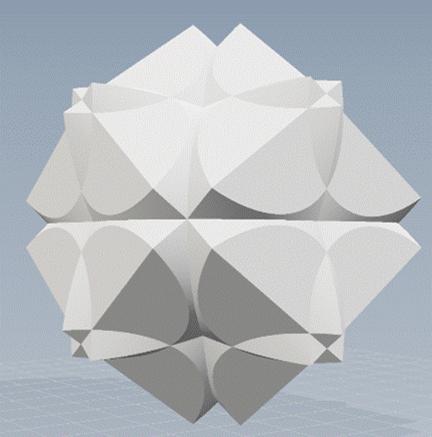
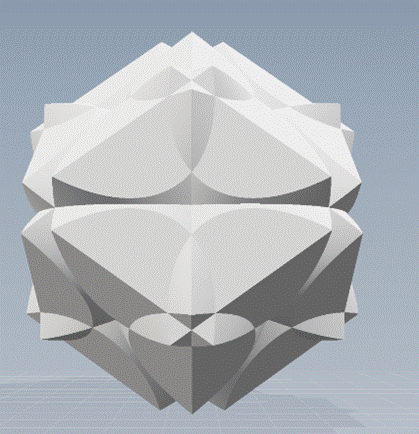
241. Two
patterns that are repeated many times, with 6 and
eight sides, but which form a Superpattern 2 by 2 facing each other and in the middle
another 2 new ones of 5.
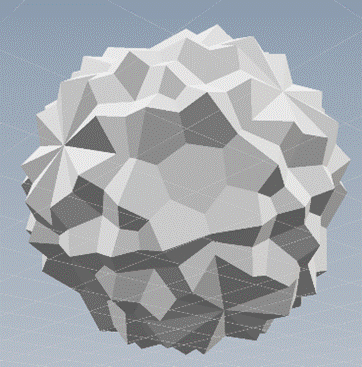
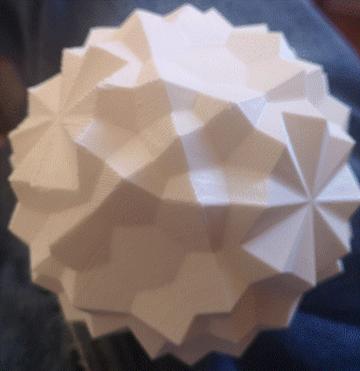
B1 1. Ambiguity Between the sad man and the
four leaves. Looking at the work we do not know what the effect or the dominant
face is. Well, each one contains the other .


Cuob40cy. Carnivorous plants. Hungry and eager
mouths point in all directions in search of food. Symmetry can also indicate danger .


b309 Filigree.
There are three dominant patterns , the six-
pointed star , the five-pointed star and the decorated triangle or rhombus.

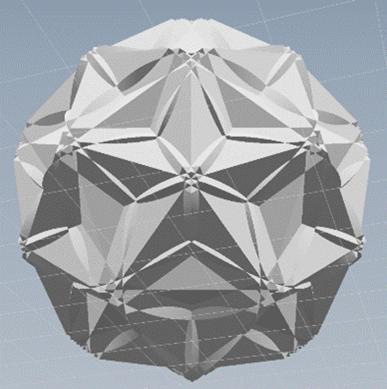
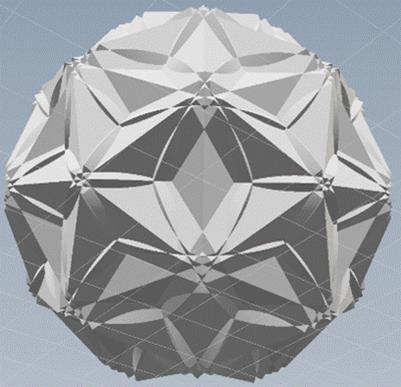
b399.
Tetrahedral patterns .
The three main motifs appear in space in tetrahedral positions.

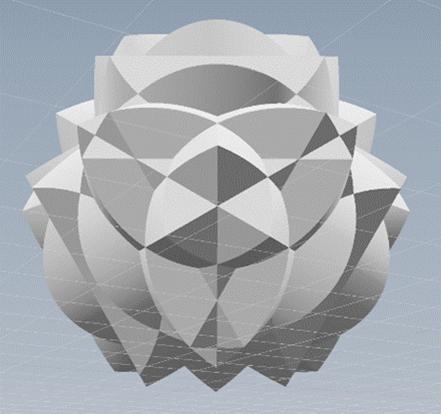

332. Lame star . The patterns
, the 5-pointed star without one . The square surrounded by curved
triangles and the combinations between them.


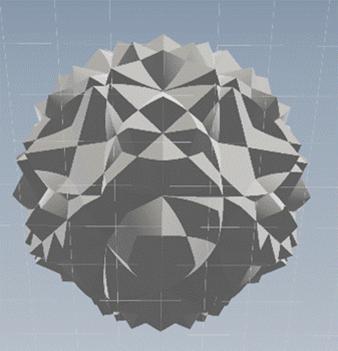
b323p. Parallels. A central belt of 8 repetitions of the first pattern. 2 belts above and below
of the same motif alternating with curved triangles to, at the top, repeat the
first pattern again .

159-24m Four- leaf clover . The flowers are missing .
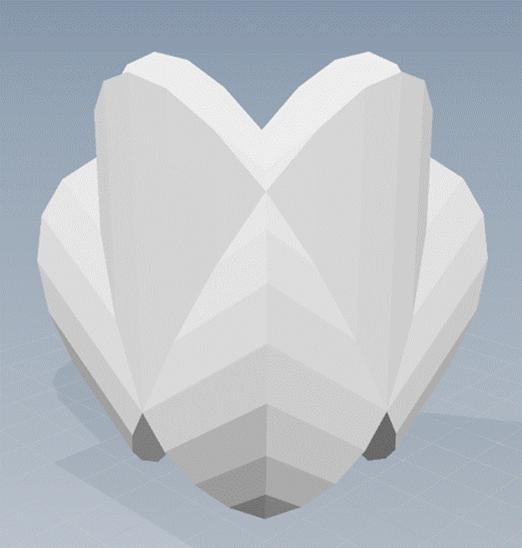
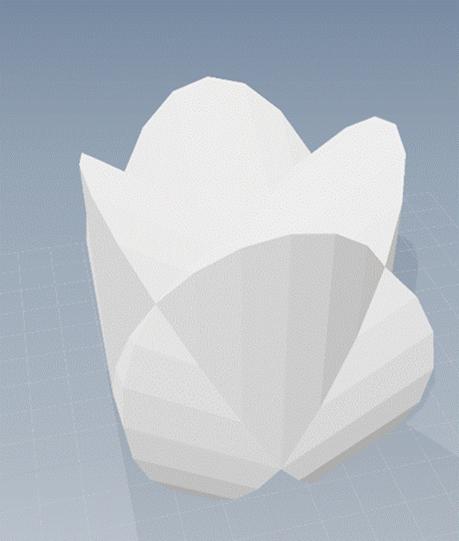
B222. Filigree II. There are three dominant patterns , the six- pointed star , the five-pointed star and
the decorated triangle or rhombus.


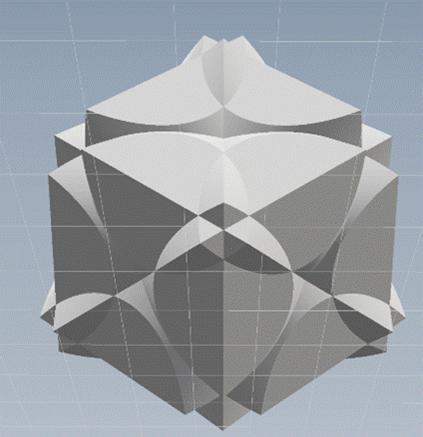
b410-1. Cubic
symmetry. 6 patterns from image 1, 8 from image 2
and with a multiplicity of subpatterns present.
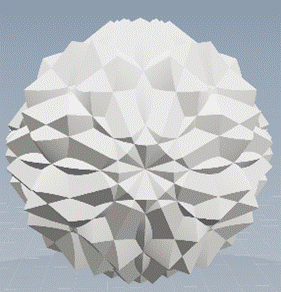


B 415 Taking advantage of a
cube. The most important patterns are those of the vertices (8 ), the faces (6) and the edges (12), in addition to other subpatterns present.


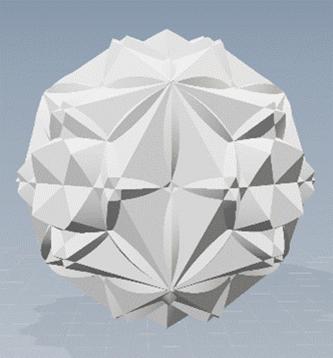
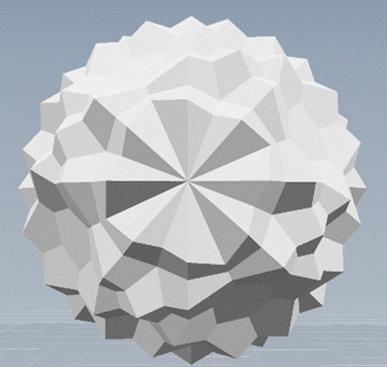
B294. Sargadelos. 8 motifs
repeating vertically by rotation and a middle plane of symmetry. A 16-pointed
star at the zenith and nadir.


In the poster Ambo or (Polyedros Díaz Regueiro )
the Ambo are of the following polyhedra ( some never
represented)
The Conway ambo or Kepler rectification is usually exemplified
, giving it a simple character, with the cuboctahedron or icosidodecahedron . Here we present 18 examples from the
future book 418 ambos of polyhedra, among them many
never seen before (Polyedros de Díaz
Regueiro ),
with properties not known , or rejected even by experts, ( concave -convex
ambiguity , for example ) that redefine the general Kepler rectification ).
IcosahedronTenCompound1-CubeFourCompound4-IcosahedronTwoCompound3
RhombicTriacontahedron-GreatTruncatedCuboctahedron
OctahedronThreeCompound3-OctahedronTwoCompound2-OctahedronFiveCompound1
TruncatedIcosahedron-TruncatedPentakisDodecahedron
IcosahedronStellation36-IcositruncatedDodecadodecahedron-PentagrammicAntiprism
TruncatedGreatDodecahedron-RhombicDodecahedronStellation1-EquilateralChamferedIcosahedron
CubeOctahedronFiveCompound1-CubeSixCompound2-IcosahedronTwoCompound1
17 plane symmetry groups
A compassionate mosaic passed
to 3d
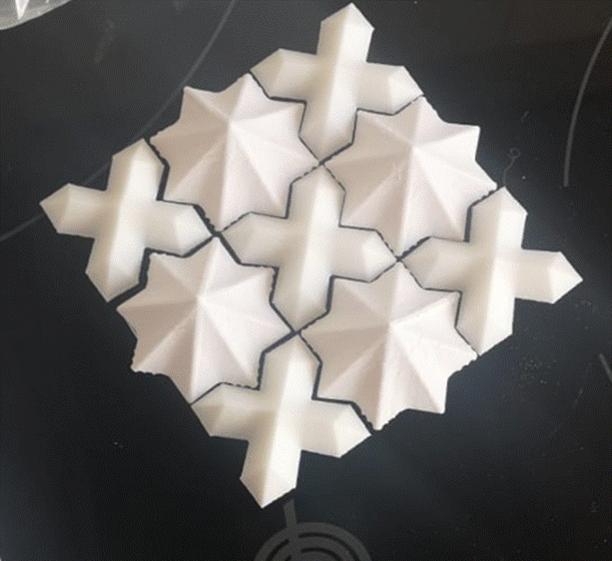
10 mosaics of Arab tradition and
the Alhambra. 10 new ones
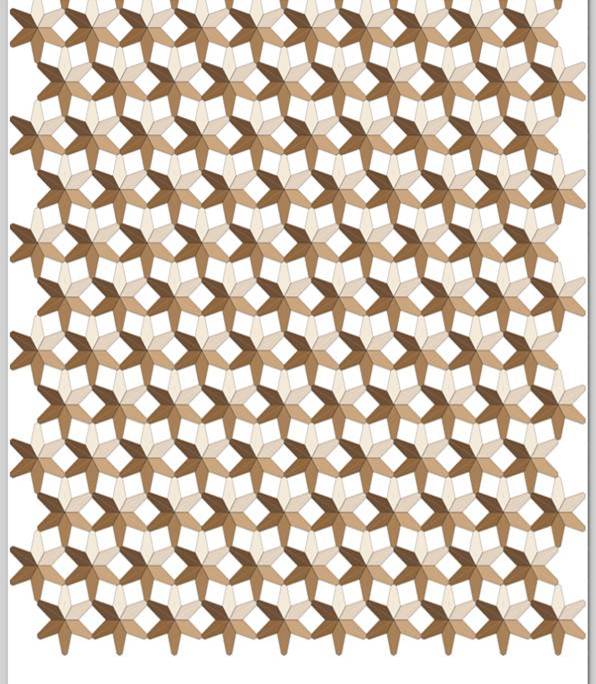
A hidden p6 pattern, diamond
ring
16 Kolam
(l- system )
50 short videos of Menger-Diaz Fractals , polyhedra, both, symmetries and 200
Iranian octagons
Selected works in Bridges for
16 years
All the
works of the 16 years in Bridges can be seen with a characteristic and
determining profile: 3d symmetry, of equations ,
geometric , of rotation, of plane
symmetry or 3d symmetry. With tools like the l- system or the own laws of 2d or 3d symmetry applied to minimal motifs. And using,
exclusively, my own 2d or 3d programs . There are
thousands of algorithms, developed over 27 years , so that the symmetries are
not only the rotational ones of a glass or a beaker, but polyhedral, objects ,
motifs or polyhedral patterns that play at making symmetries in 3d, in a way
that has never been developed due to its difficulty . Just like the fractal
polyhedral patterns , never achieved .
From the 2013 Exhibition and beyond
Making a complete and
extensive list of the different posters produced within the Art and Science
exhibition, which Igaciencia organized and held at
the Lugo Provincial Council from September 19 to November 20 , 2013, is a task
to be done calmly over a certain period of time. In this
review a month later , December 2013, we want to make a tour , a tasting or a
small sample of how much can be said about these Art and Science themes from
different points of view: from a Galician ethnomathematical
point of view , what Galician constructions can we be proud of and what
mathematics they are based on ; of a tool , Geogebra
, on which many of the reflections on these constructions that are described
are based , of the profiles of many works of art, engineering and architecture
that are well -known mathematical functions , such as what could be the symbol
of the exhibition, the Eiffel Tower, at the time a symbol of French engineering
and today an artistic symbol of Paris, a perfect fusion of art and science in
which we can verify with Geogebra that its profile is
logarithmic. For all this, detailing that construction with Geogebra is a commitment that needs to be told in these pages .
Art with
Symmetry with Geogebra
It is the harmony of
the various parts , their symmetry
, the happy balance; in a word, it
is everything that introduces order, everything that gives unity, which
allows us to see clearly and
understand at the same time both
the whole and the details.
Henri Poincaré
We started with a well-known symmetrical figure. We chose a photo of the
Taj Mahal.
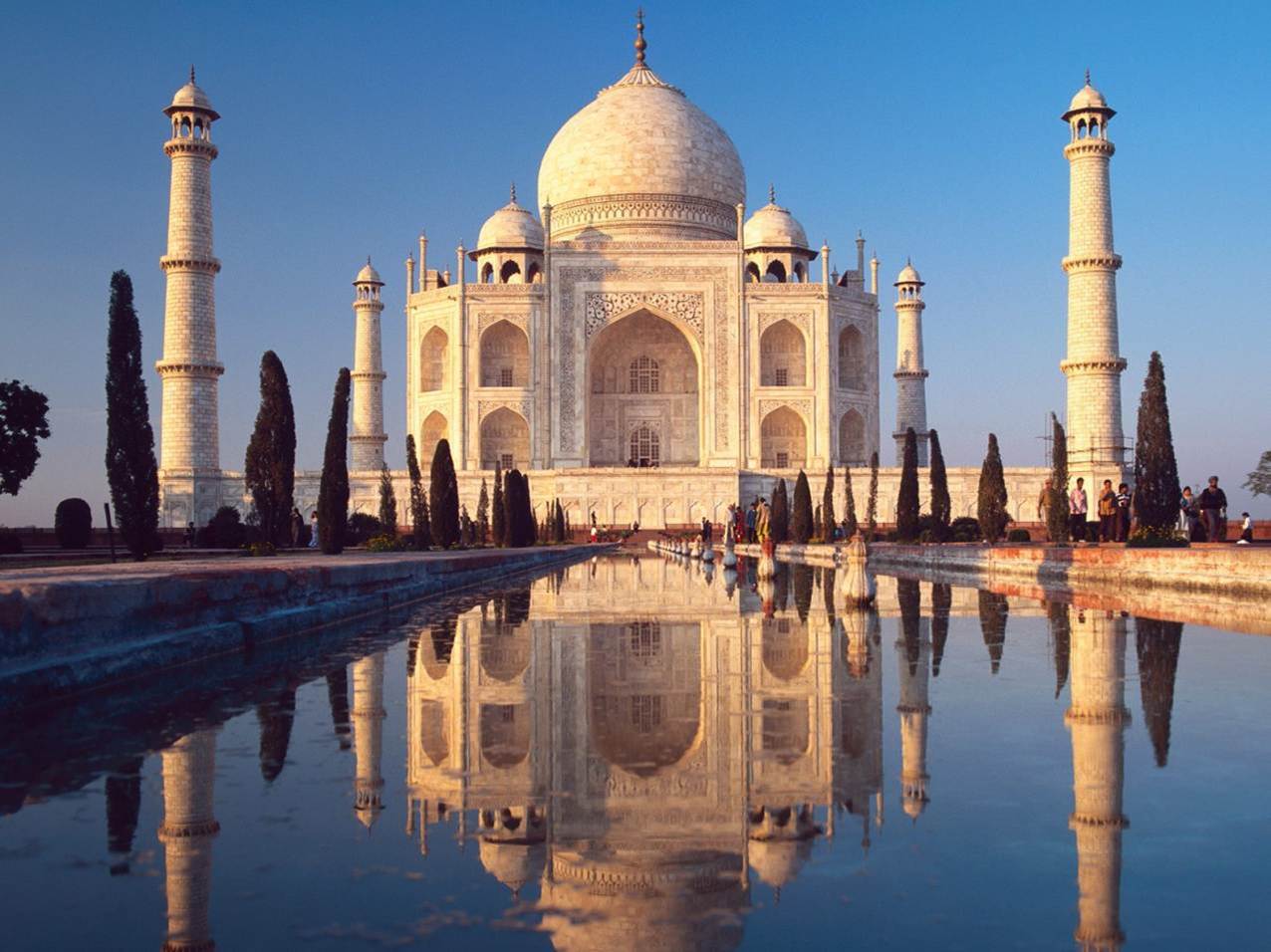
Which we cut out, with a graphics program, until we get to this other image
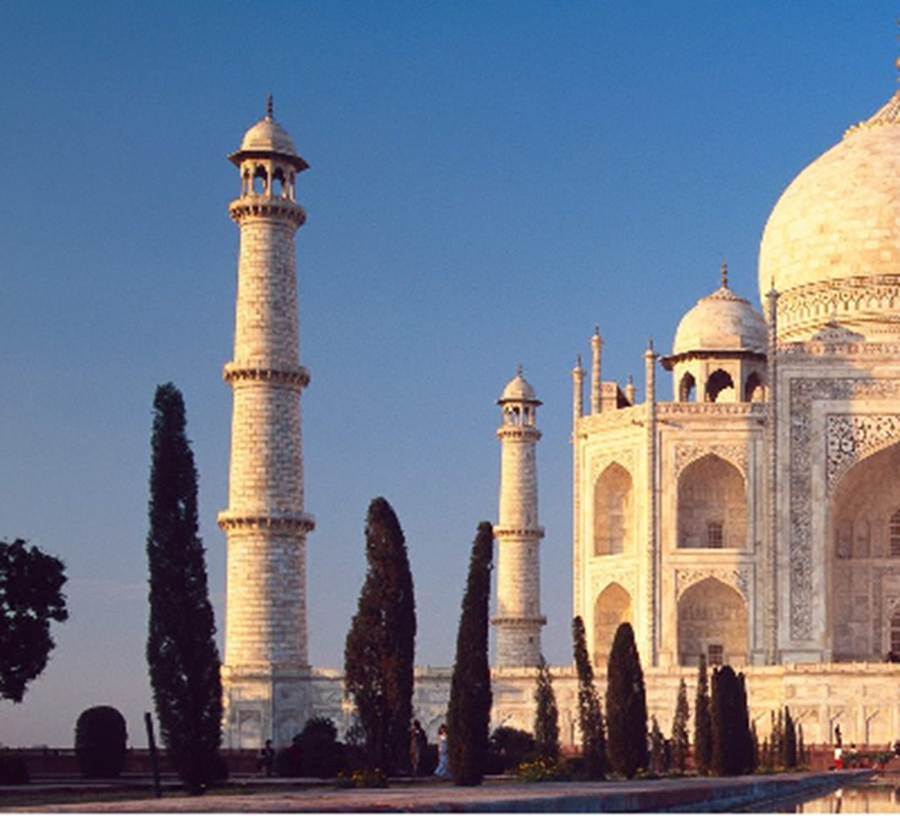
What we insert in Geogebra
 We press the
insert text button in the triangle and move on to the Insert image button.
We press the
insert text button in the triangle and move on to the Insert image button.
We position ourselves and click
on the point (-4,0) and insert the previous image. We create two points A and B
at (4,0) and (4,4) (points on the far right of the image) and draw the line
that passes through those two points.
Now we click on this button
(Reflect object about the line). Then we point to the image and then to the
line AB itself. The result is the demonstration that the Taj Mahal is a
perfectly symmetrical figure. 
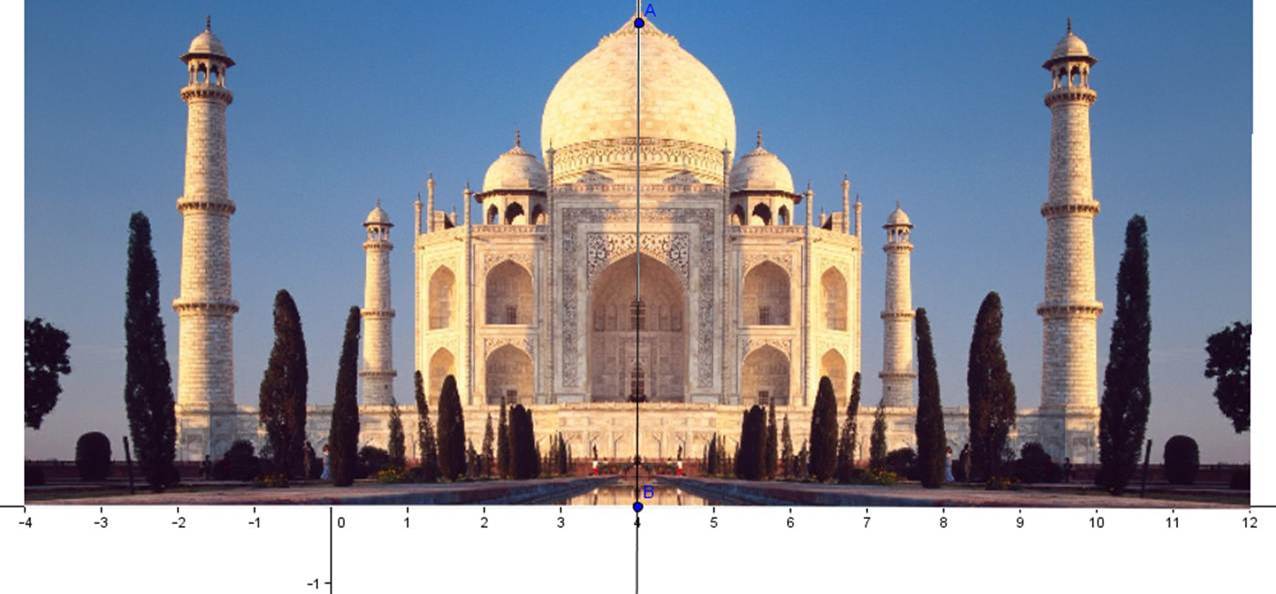
In short, we see in this example
how to reconstruct a figure with minimal motifs. For each figure, obtain the
minimal motif that through some rotation or symmetry allows us to obtain the
complete hexasquel and rosette figure.
Find and draw the minimal motifs of certain logos
or artistic figures such as the Mistsubitchi logo, or the design of an Islamic
star, analyzing the symmetries or isometries you find and try to decipher a
minimal motif that generates the mosaic, a fundamental domain and the base cell.
Rotational symmetry.
A figure
has a center of symmetry when, when performing a rotation or turn (less than a
complete turn) around that center, the image produced coincides with the
original. This happens with the image of our Celtic symbol triskel. When we
perform a 120º rotation of that symbol around its center we verify that the
figure coincides with the original and this will happen every time we make a
new turn like that. In these cases we say that the figure has rotational
symmetry.
A figure has rotational symmetry of order n when that is the number of times it
coincides when making a complete turn.
The Triskel has rotational symmetry of order 3. The rose
windows of Gothic churches have rotational symmetry of varying order. But let's
focus on the Triskel and the Hexaskel.
Our sacred Galician symbols: construction and symmetries.
The Hexasquel. In geogebra, we
place the points A(0,0) and B(4,0). We go to regular polygon and draw a regular polygon with 6 sides, starting
from points A and B. We draw the segments
EB and DA and define the intersection of
the 2 segments , G, which will be the center of the hexagon. We define a semicircle passing through G and D. Then
we rotate the object around a point
according to the angle and indicate the semicircle object and the point G.
When it asks us for the angle, we put 60 the first time, and, repeating this
process, we put, 120, 180, 240, and 300 and the result will be a hexasquel like
those represented in Santa Trega.
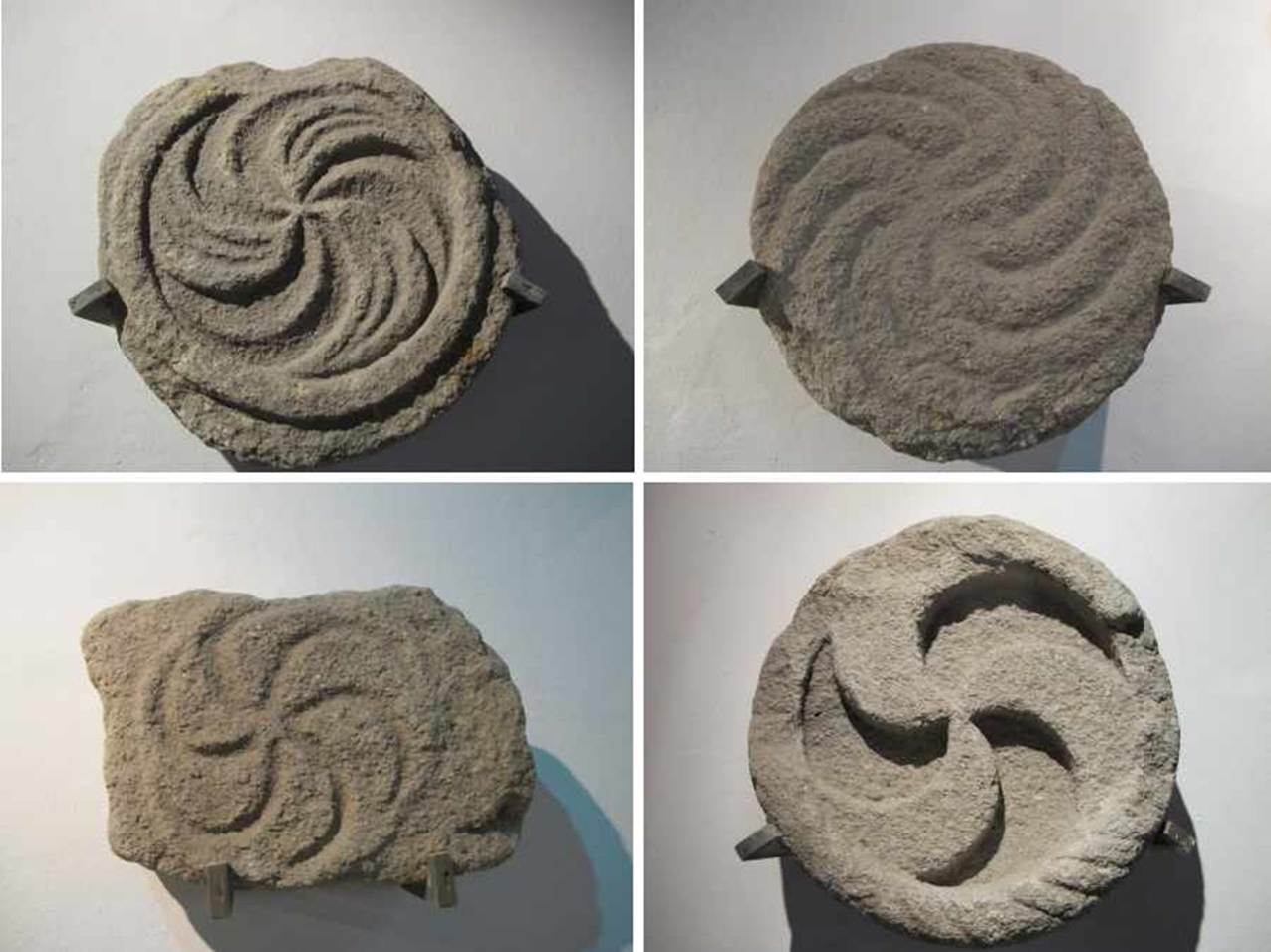
The result is a) and without the
construction elements it is b)

 Buttons we use
We could also construct the
six semicircles one by one from the center and the
vertices of the hexagon. But in this way , by
constructing it with symmetry , we are emphasizing the character of rotational
symmetry of order 6 of the figure. If we make the center
G visible and draw the circle with center
G and passing through one of the points of the hexagon and make the
hexagon and all the lines and points formed invisible. We have both the
silhouette of a triskelion and that of a hexaskelion .
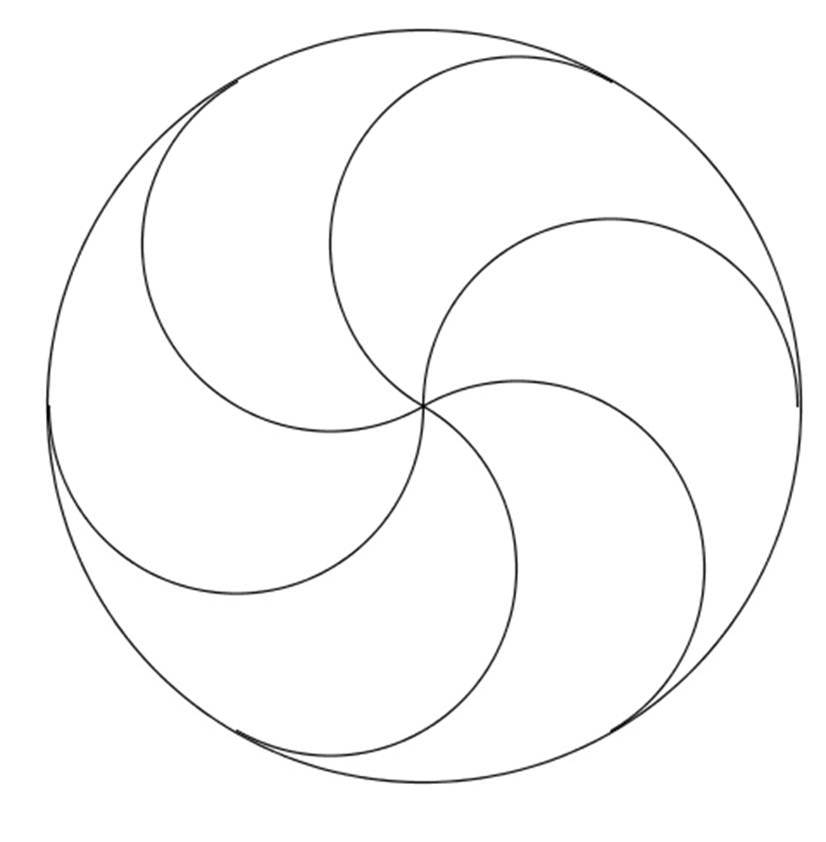
we mark the points on one of the
wings of a triskelion and put the instruction
Polygon[{I,J,L,L,M,N,O,P,Q,R,S,T,U,V,W,Z,A_1,B_1,C_1,D_1,E_1,F_1,G_1,H_1,I_1,
J_1,L_1,M_1,N_1,O_1,P_1,Q_1,R_1,S_1,T_1,U_1,V_1,W_1,Z_1,A_2,B_2,C_2,D_2,E_2,F_2,G_2,H_2,I_2,
J_2,L_2,M_2,N_2,O_2,P_2,Q_2}]
 We change the
color and make the points invisible. Then we make G visible, and the center,
and rotate the polygon object thus created around that center according to an
angle of 120, and 240. The result, an underlined and
highlighted triskelion made with rotational symmetry of order 3. We do not
show the point G and voilá
We change the
color and make the points invisible. Then we make G visible, and the center,
and rotate the polygon object thus created around that center according to an
angle of 120, and 240. The result, an underlined and
highlighted triskelion made with rotational symmetry of order 3. We do not
show the point G and voilá
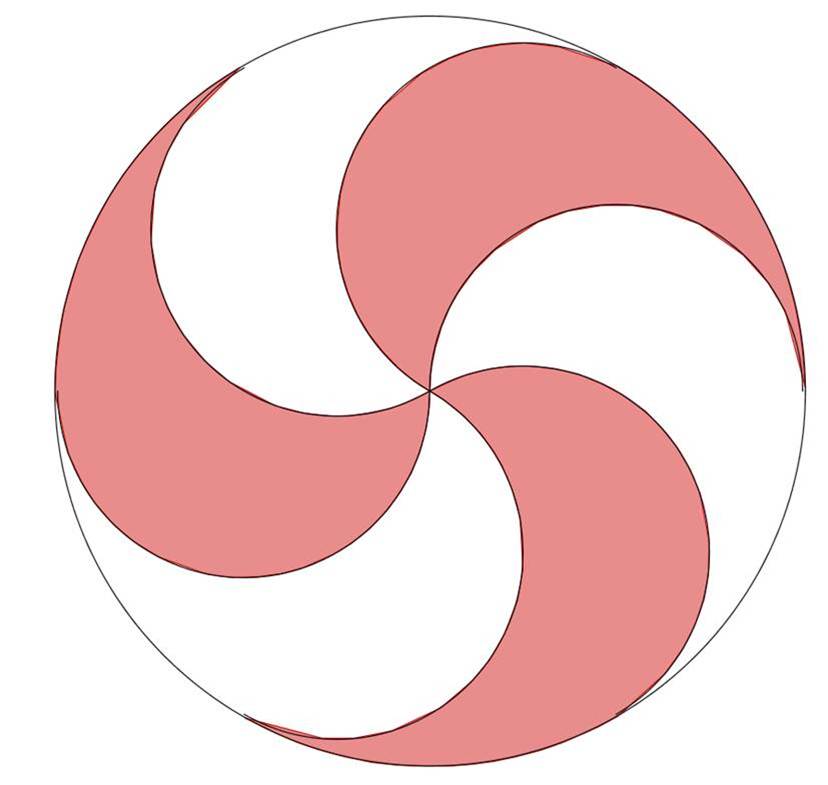
We already have our magical and
sacred symbol, Galician, in addition to having passed and seen the hexasquel.
The Catenary
Huygens was the first
to use the term catenary in a letter
to Leibniz in 1690, and David Gregory wrote a treatise on catenary in
1690. If you roll a parabola along a straight line, its focus traces a catenary. Euler also proved in
1744 that the catenary is the
curve which, when rotated, gives a minimal surface (the catenoid , the catenary of
revolution. The catenoid and the
plane are the only surfaces of revolution
, which are also minimal surfaces ) .
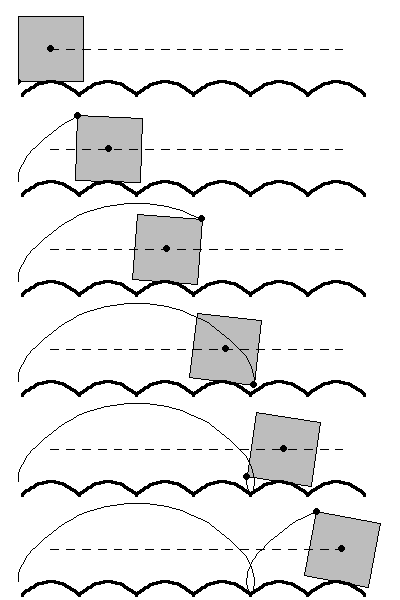
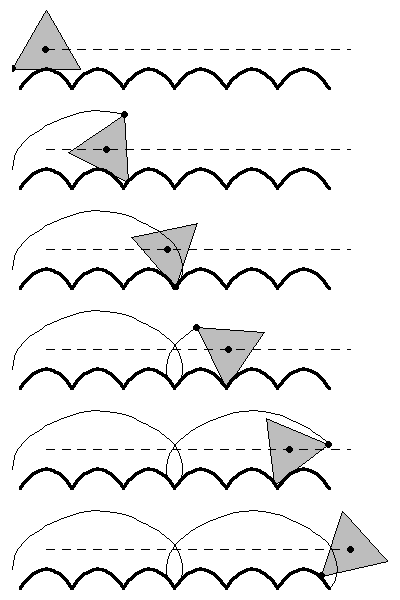
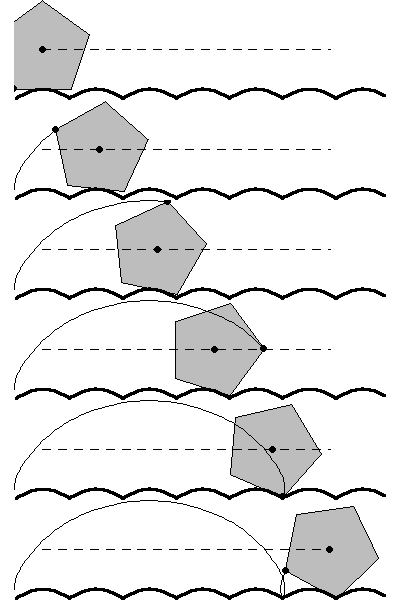
The catenary also results
in a road shape over which
a regular polygonal "wheel"
can travel smoothly.
 The Gateway Arch in
St. Louis, Missouri , representing the gateway to the American West, was designed
by architect Eero Saarinen as a catenary arch . The Sagrada Familia and other works by
Gaudí feature an abundance of
catenaries, the curve of a chain held
at the ends.
The Gateway Arch in
St. Louis, Missouri , representing the gateway to the American West, was designed
by architect Eero Saarinen as a catenary arch . The Sagrada Familia and other works by
Gaudí feature an abundance of
catenaries, the curve of a chain held
at the ends.
None but the catenary
is the figure of a true legitimate
arch... And when an arch
of any other
figure is supported, it is because
in its thickness
it includes some catenary ( Gregory , 1697) which takes up
Hooke 's statement : "the ideal form for an arch is
that of an
inverted catenary".
The image treated with
Geogebra of the Gateway reinforces
these ideas of Gregory and Hooke
. It should be remembered here how many ancient
constructions have only their arches
standing, which are millennial and stable because they contain a catenary. It is
also the reason that bridges
hold up and
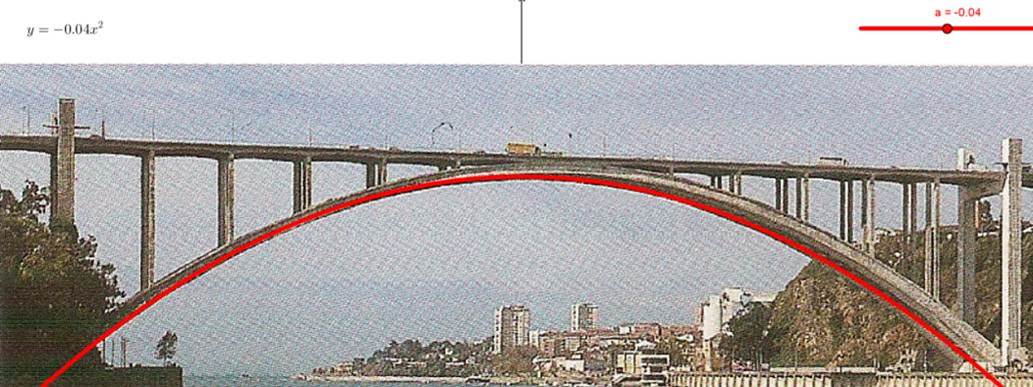
have initially parabolic shapes. Thus Oldknow showed
us a construction of a bridge over
the River Cam in England
: a parabola of equation y=0.03x 2
And we can show the construction of a bridge in Oporto with Geogebra
The question is , weren't catenaries the stable figures and not
parabolas? And the answer may be that a
catenary of equation f (x) = a( ℯ ^x + ℯ ^(-x)) / 2 has a first approximation by Taylor's series to the parabola y=ax 2 . In fact, even Bernouilli confused the catenary (the curve that a
chain makes) with the parabola.
The Eiffel Tower was designed
with a logarithmic profile. What didn't you know? y=-3.2 ln(x)-0.7
The springs, since Galileo we
know that they draw a parabola in the air. In this case, y=-0.6(x-1.7) 2
+3.3. How do we manage to approximate this equation to the image of the
photograph? We place the sliders a, b,
and k in Geogebra, which we
manipulate until we get the formula y=a(xb) 2 +k to fit the image of
one of the springs. In this manipulation we can observe how the values and even the
sign of the three parameters affect the drawn parabola (increasing k raises the parabola, a must be negative to fit a spring, a
parabolic fall, b affects moving the
parabola to the left or right, ...)
The hyperbola of the cooling
towers of the As Pontes thermal power plant 8x 2 -2y 2
-74x-6y+174=0 It seems incredible that an engineering work has a formula as
simple as that and the answer is for two reasons, because it is made with a
hyperbolic profile, it is a hyperboloid of revolution, and because in addition
the coordinate axes are well chosen so that it does not have xy terms, but they
could be chosen better so that they did not have the terms in x and y that it does have. An even simpler equation 8x 2
-2y 2 =K would remain .
Nautilus . Logarithmic spiral curve. Equation: r=1.24 exp
(0.18t)
Tinery in Lugo. Logarithmic spiral curve. Equation: r=4.35 exp
(0.17t)
Both in the case of the
Nautilus and in this one, the success of the appropriate formula achieved with Geogebra is to mark a point A, which we will be able to
move, and define the curve as a Parametric Curve [x(A) + a ℯ ^( bt)
cos (t), y(A) + a ℯ ^(bt) sin (t), t, -25.13274, 50]
being a and b sliders that we
directly modify ex(A), y(A) coordinates of A, so by moving point A and the
sliders a and b we act by visually adjusting the curve to the image that we have
or want to approximate.